Ever wonder what matcha is, what it tastes like, or how to use it? In this guide, I’ll explain everything I know about matcha and share some of my absolute favorite matcha recipes!
Interested in learning about other flavors? Check out my ultimate guide to ube!
✉️ want to save this?
💚 Overview
Matcha is a finely ground powder made from whole green tea leaves. Instead of steeping and discarding the leaves like regular tea, matcha is whisked straight into water… meaning you’re consuming the entire leaf!
It’s bright green, earthy, and has been a part of Japanese tea culture for centuries. In recent years, matcha has become a global favorite. In the USA, you can commonly find it in many bakery cafes in the form of drinks and all kinds of desserts!
However, matcha’s rise in popularity has unfortunately led to a global matcha shortage. With rising demand and extreme climates affecting green tea harvests, supply has gone down and prices have gone up.
So whether you’re just starting your matcha journey or already a matcha lover like me, here’s a gentle reminder: be a mindful consumer. Support sustainable brands, savor each cup, and skip the urge to hoard. Matcha is meant to be enjoyed slowly—and thoughtfully!
What Is Matcha And What Does It Taste Like?
Matcha is made from finely ground green tea leaves that are grown in the shade before harvest. High quality matcha is a vibrant green and tastes earthy, slightly sweet, smooth, and rich. Roasted matcha, also known as hojicha, has a nutty, toasty flavor profile, and is a bit lower in caffeine.
If you’re in the USA, you might see matcha labeled as either “ceremonial matcha” or “culinary matcha”. These terms are common Western marketing terms, and as you can imagine, affect pricing. Ceremonial is much more expensive than culinary matcha.
In in Japan, matcha isn’t officially categorized in this binary way (source 1, source 2). Because of this, I personally stick to culinary matcha for all my drinks and desserts—it’s flavorful, versatile, and way more budget-friendly!
If you’ve happened had matcha that looked dull green and tasted bitter, it is more than likely (1) from a low quality batch or (2) was prepared incorrectly. See the next section on how to properly prepare matcha to get the best flavor and texture!
How To Prepare Matcha
For preparing drinks, making matcha can seem easier than it looks. However, a few simple steps can make all the difference in flavor, texture, and color!
- Sift your matcha. This step is extremely important! Sifting prevents clumps and gives you a smooth result.
- Use the right water temperature. Mixing your matcha with hot (not boiling) water around 160°F (70°C) is ideal. If your water is too hot, then it can burn your matcha and taste bitter!
- Whisk thoroughly. Matcha doesn’t dissolve like instant coffee, so you need to thoroughly mix it with your hot water. Traditionally, matcha is whisked in a matcha bowl with a bamboo whisk (chasen), but a small whisk or frother can work. Mixing your matcha with hot water breaks up any clumps and creates a smooth, creamy texture.
- Enjoy straight or as a base. You can add more water if you’re drinking it as is. But if you’re making a latte, whisking your matcha in a small amount of hot water, then adding it to milk, avoids any clumps.
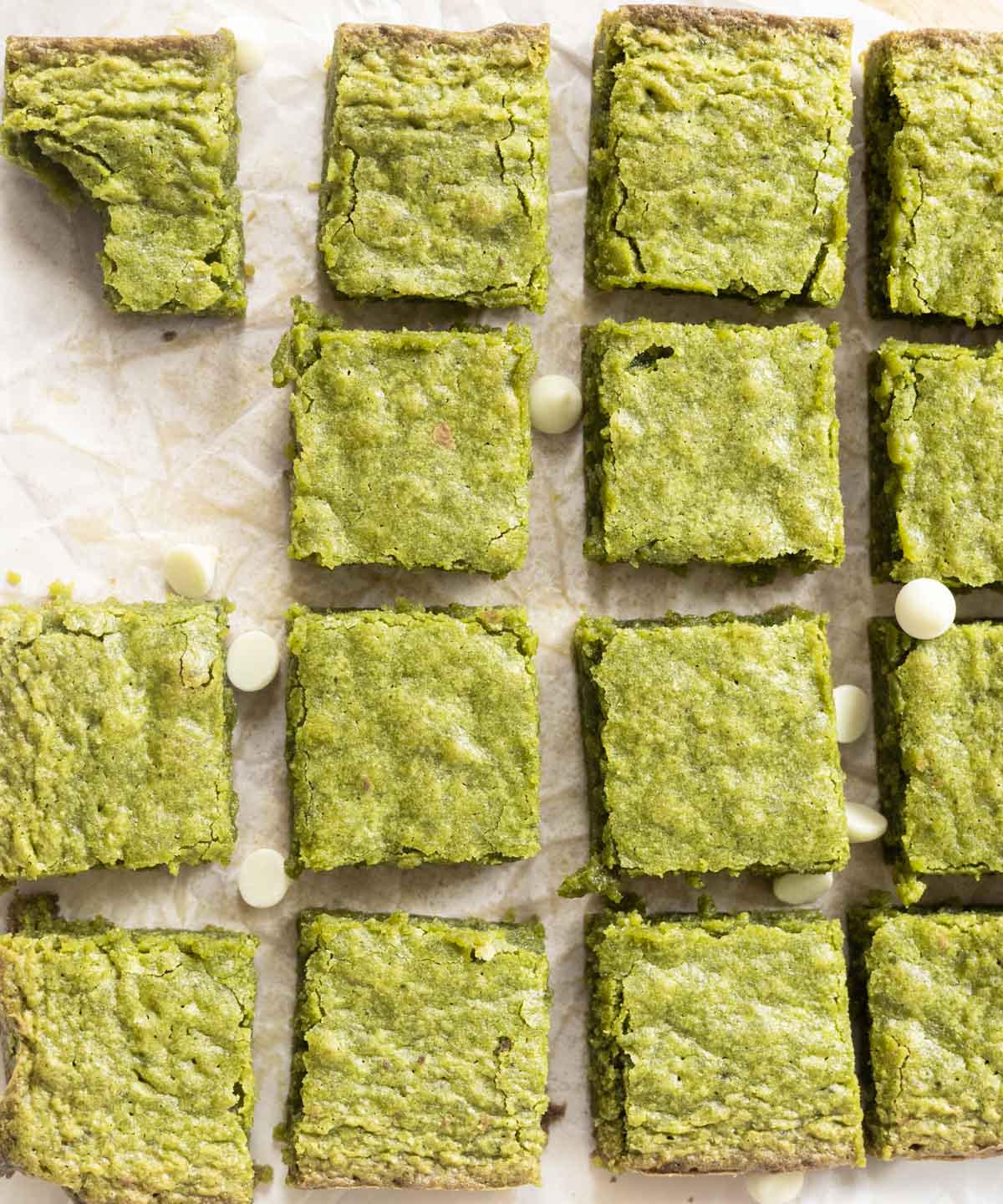
For making matcha desserts like matcha brownies, I typically like to sift the powder into my wet ingredients, then whisk until combined.
Popular Matcha Flavor Pairings
Matcha pairs well with sooooo many flavors! Some of my favorite flavor combinations are:
- Vanilla: picture matcha vanilla cold foams, or matcha vanilla bean cookies!
- Honey or brown sugar: I love a honey or brown sugar matcha latte.
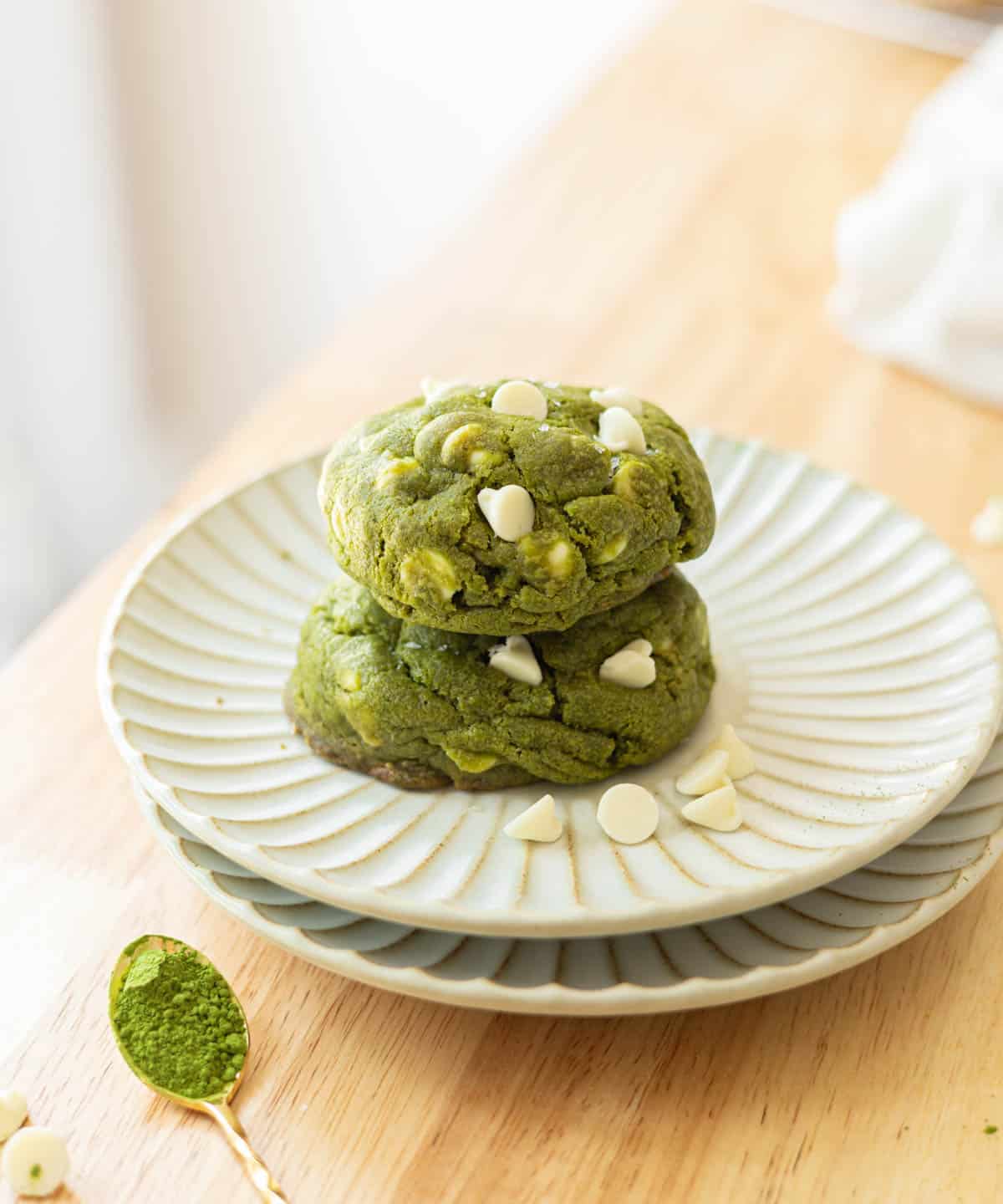
- White chocolate: matcha white chocolate cookies are one of my favorite kinds of cookies.
- Sesame: the nuttiness from the sesame compliments the earthiness of the matcha!
- Coconut: in 2025, people loved pouring matcha over coconut water! I also love shredded coconut and matcha together in desserts.
Matcha can be cozy or refreshing depending on how you use it, which is what makes it so fun to work with!
Where To Buy Matcha
One of my favorite brands is Aiya Matcha, which you can buy on Amazon. You can also find it in many local grocery stores in the tea aisle!
Here’s what I look for when buying matcha:
- a bright, vibrant green (not dull or yellow)
- one ingredient: green tea
I prefer buying from brands that specialize in Japanese tea and are clear about where and how their matcha is sourced.
It is important to note matcha’s rise in popularity, which has led to a global shortage. With extreme demand and global warming affecting harvests, supply has gone down and prices have gone up.
So whether you’re just starting your matcha journey or already a matcha lover like me, here’s a gentle reminder: be a mindful consumer. Support sustainable brands, savor each cup, and skip the urge to hoard. Matcha is meant to be enjoyed slowly—and thoughtfully!
My Favorite Matcha Recipes
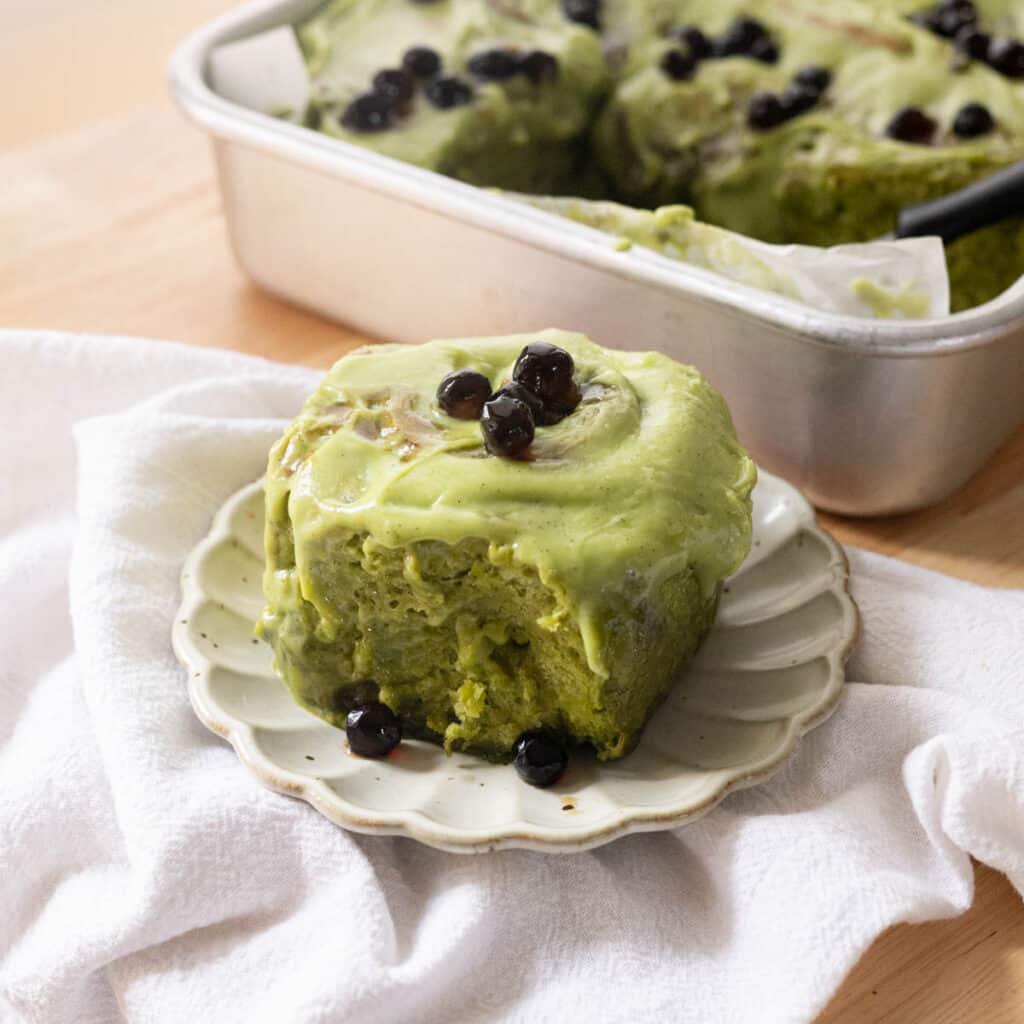
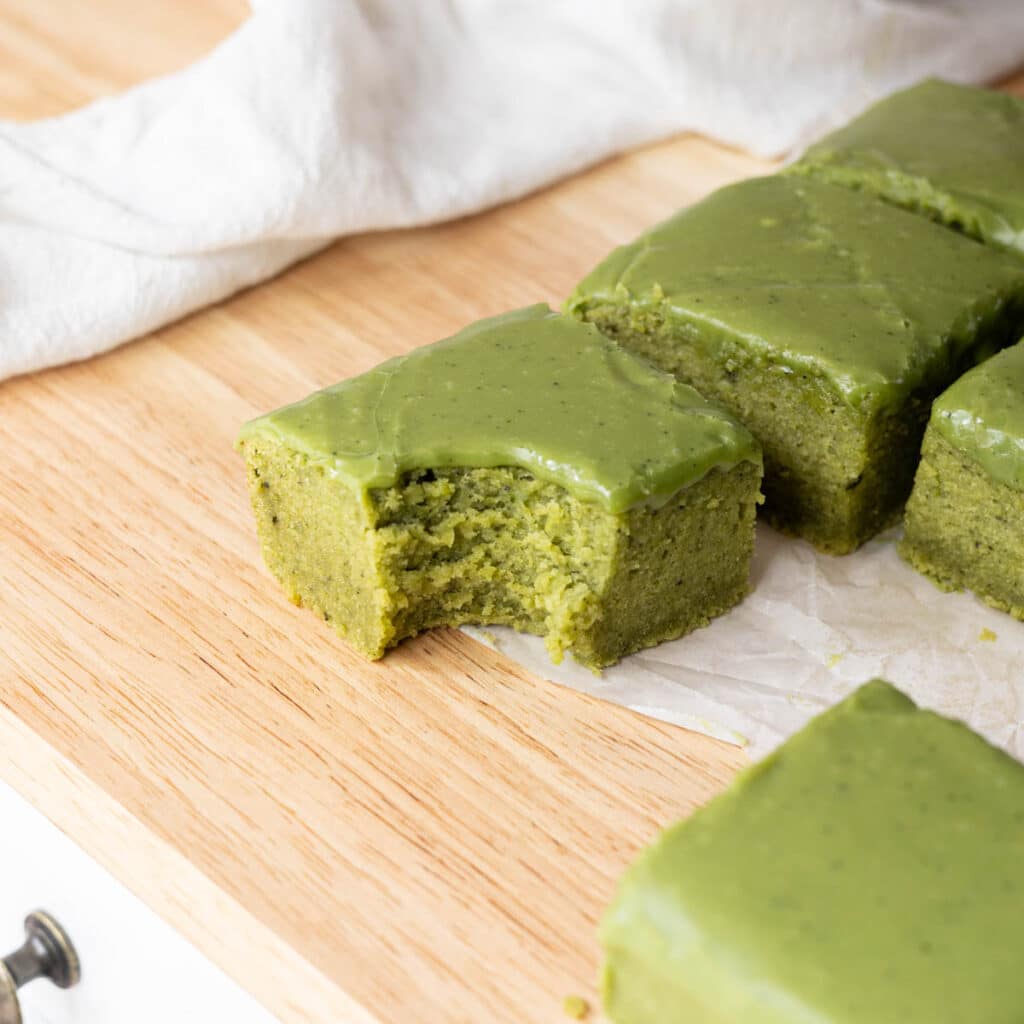
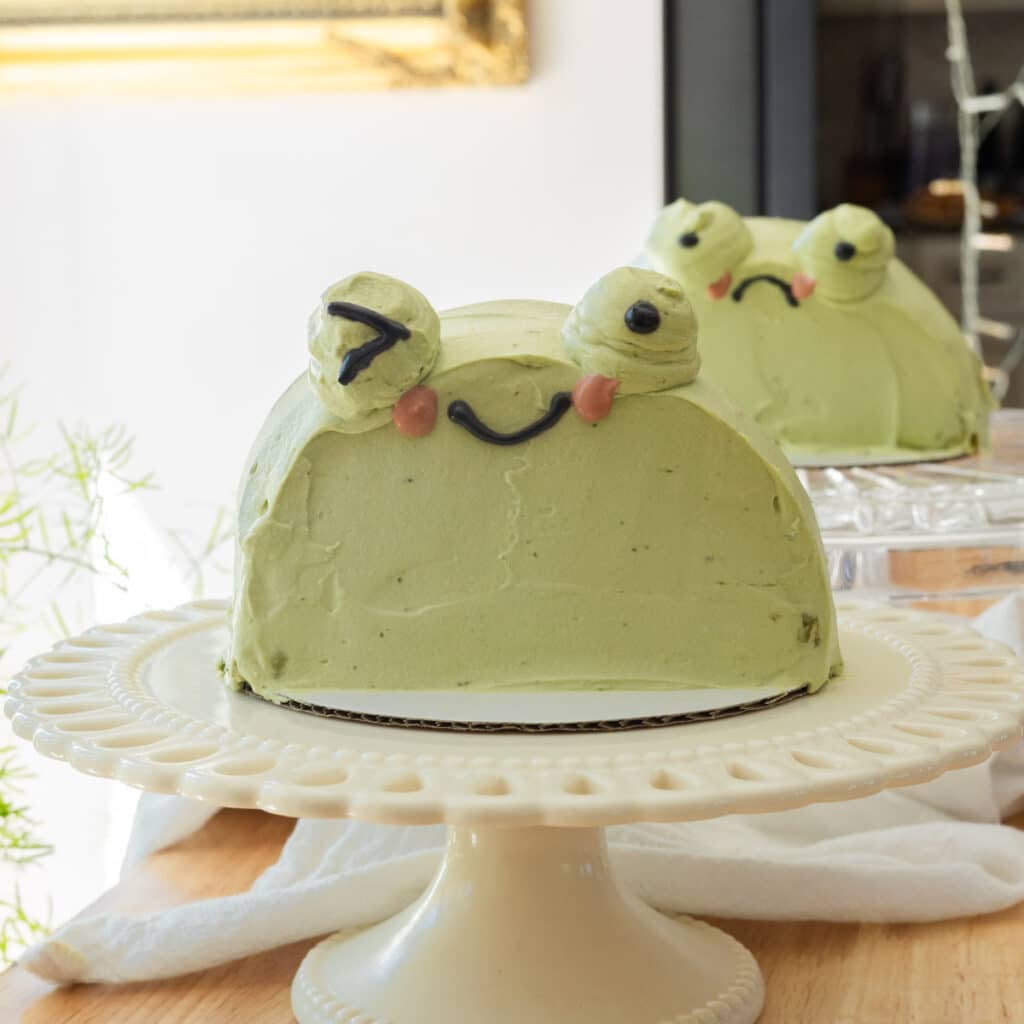
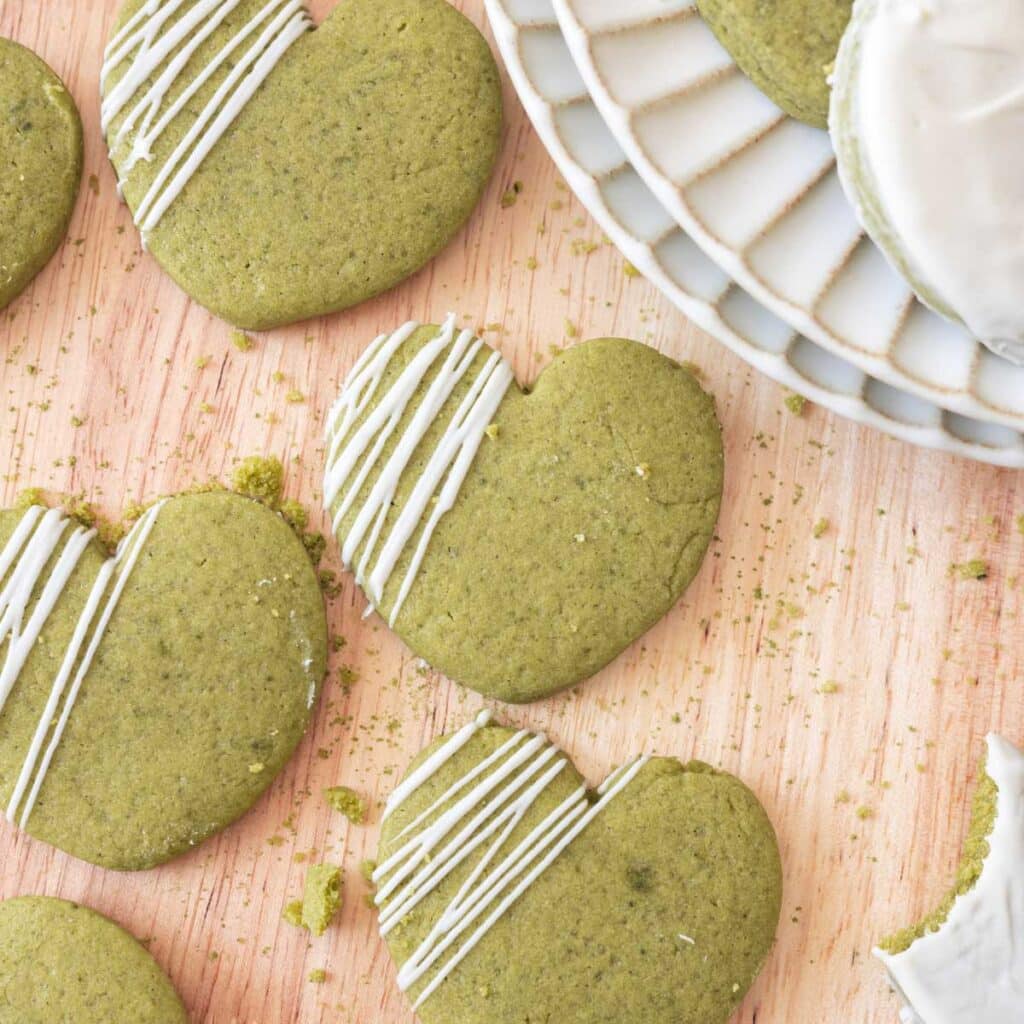
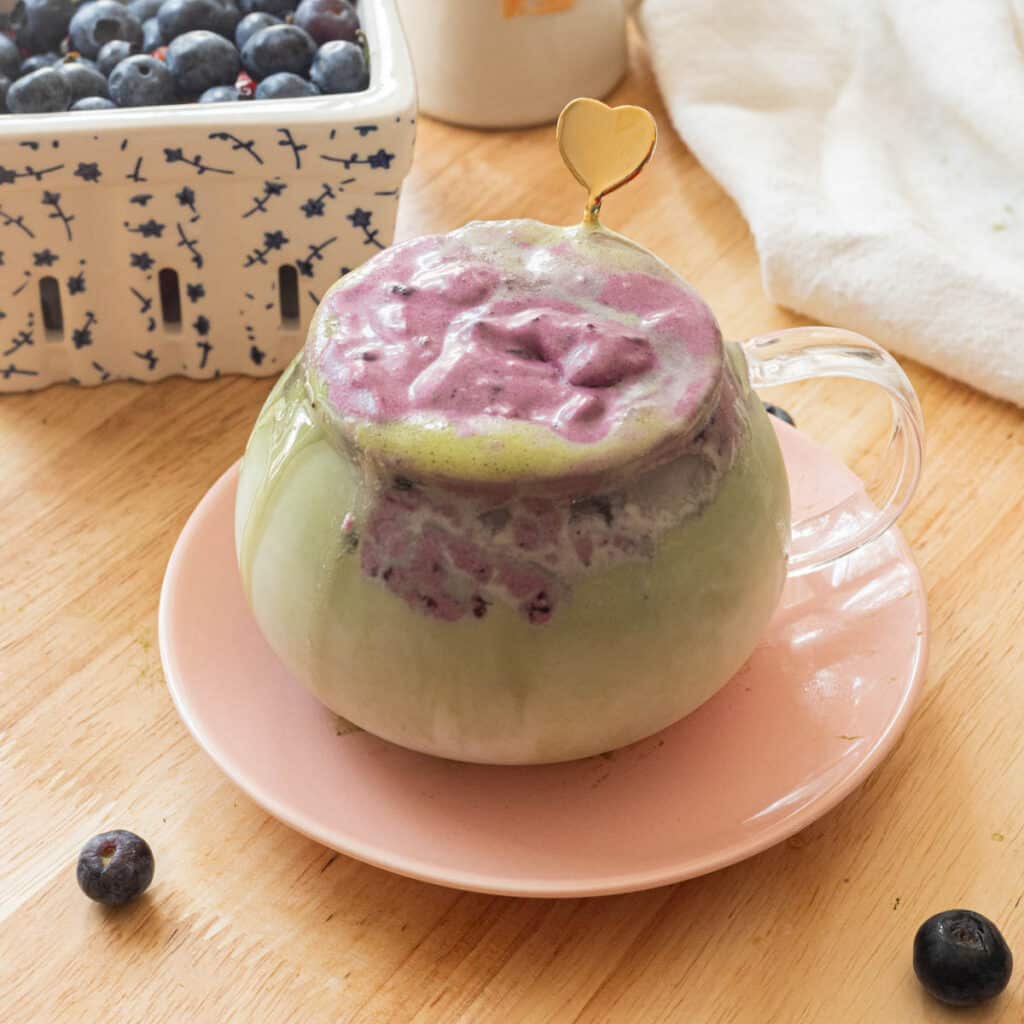
I hope this matcha guide was helpful. 🙂 If you have any questions, please feel free to leave a comment or email me!